Making an interior both modern and pleasant to live in is not just about choosing a nice sofa or repainting a wall. Choices of materials, management of natural light, and even recent regulations on thermal comfort change the way we think about home design. Here are some concrete ideas to transform your interior without falling into the clichés seen everywhere.
Summer comfort and solar protections: the new challenge of a trendy home
Have you ever noticed that a south-facing living room becomes hardly livable in July, even with good insulation? This problem has a name in technical vocabulary: thermal kettle. And it now directly concerns decoration and interior design.
The “Housing Recovery” bill, adopted by the Senate on July 8, 2026, aims to integrate summer comfort into the definition of a high-performance renovation. In practical terms, this means that elements like shutters, exterior solar protections, or night ventilation are no longer just decorative accessories. They become integral components of a modern habitat.
For a trendy interior, this changes the game. Instead of relying solely on light curtains or interior blinds (which allow heat to pass through once the glazing is crossed), think about protections that act before the sun reaches the glass. Adjustable sunshades, shutters with adjustable slats, bioclimatic pergolas: these devices protect from the sun while structuring the aesthetics of the facade.
In condominiums, the installation of shutters or exterior solar protections raises questions of urban planning and condominium regulations. The government is working to facilitate these processes, opening up possibilities for housing that has been limited in its choices until now. Several resources allow for a detailed exploration of these topics, and the entire Niraj Web site gathers practical guides on housing and renovation.
Biosourced materials in the living room and kitchen: combining style and thermal sense
Current decor trends highlight raw wood, terracotta, linen, and natural stone. This is not by chance. These materials have thermal and acoustic properties that traditional industrial materials do not always offer.
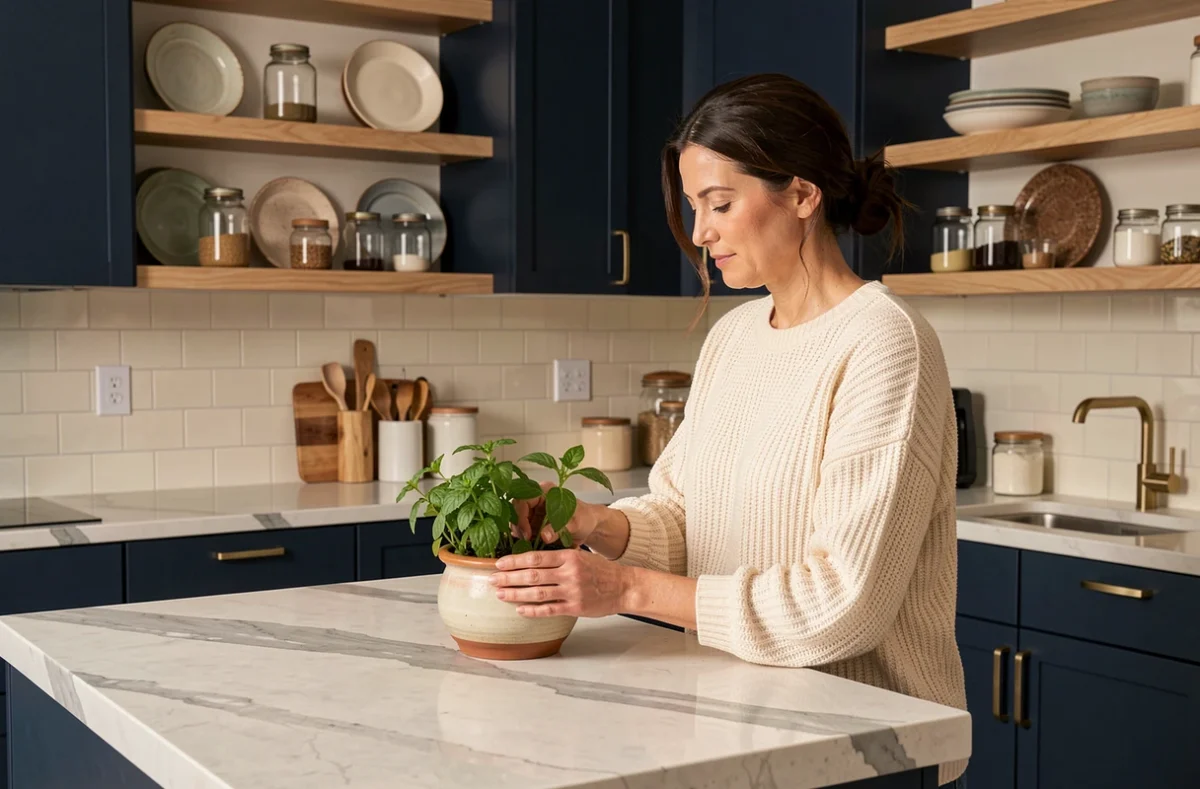
Let’s take a simple example. A solid wood countertop in a kitchen does not just add a warm touch. Wood naturally regulates ambient humidity, making the room more comfortable on a daily basis. Similarly, a terracotta floor in a living room stores coolness at night and releases it during the day, a principle known as thermal inertia.
Building professionals gathered around trade shows like Batimat, Interclima, and Idéobain emphasize wood, raw earth, and biosourced or recycled insulators for their hygrothermal qualities. In other words, these materials breathe, absorb, and release heat and humidity naturally.
Some materials to consider for a modern interior
- Solid wood or recycled wood for furniture, shelves, or wall coverings. It ages well and adapts to almost all styles, from Scandinavian to contemporary.
- Terracotta or cement tiles for kitchen and dining room floors. Their thermal mass contributes to summer comfort without air conditioning.
- Linen, hemp, or wool for textiles (curtains, cushions, throws). They add texture while coming from low-carbon footprint sources.
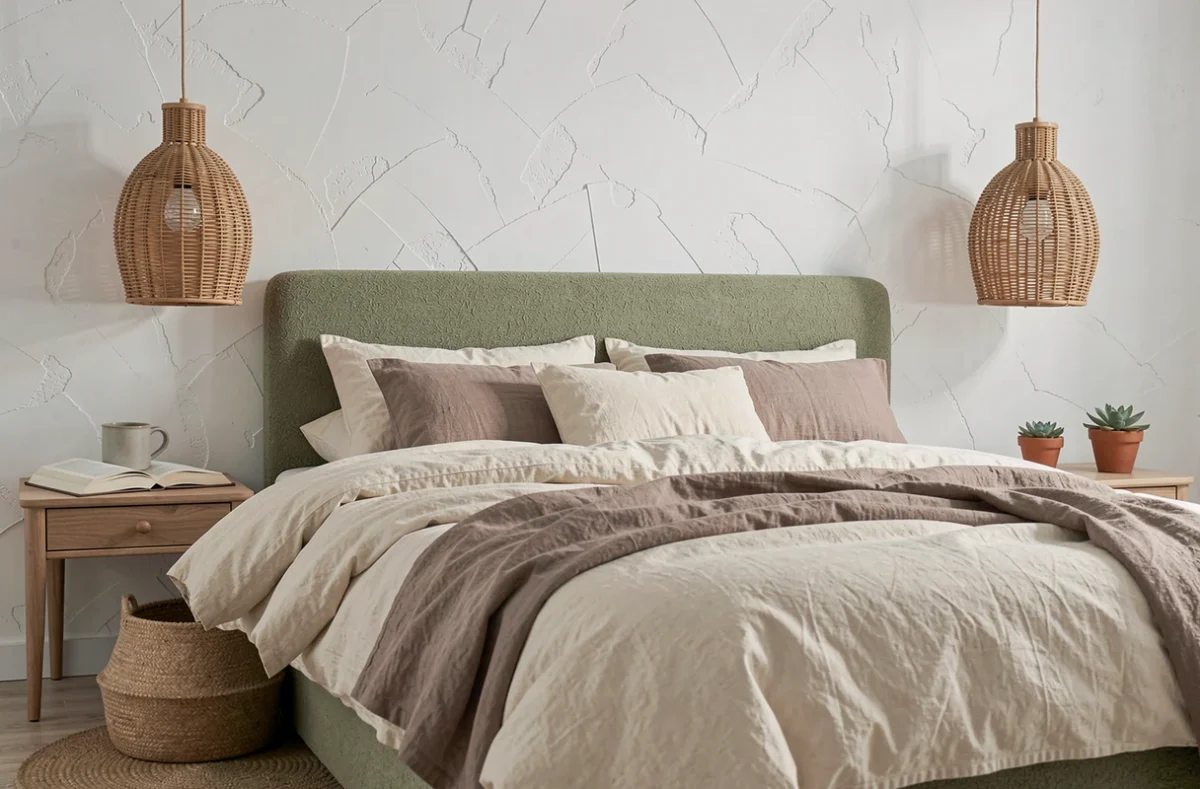
- Lime or clay-based plasters on walls. They regulate humidity and offer a sought-after matte finish in current interiors.
Autumn color palette: how to choose without going wrong
Each season brings its share of trendy palettes. For autumn, warm and enveloping tones dominate: terracotta, sage green, yellow ochre, chocolate brown. But how to use them without turning your living room into a catalog?
The most reliable rule remains that of ratio. Limit yourself to three colors per room: one dominant (walls, floor), one secondary (main furniture, curtains), and one accent (cushions, decorative objects, vases). This ratio avoids visual overload and allows for easy ambiance changes by only modifying the accent elements.
A sage green wall in a living room, paired with a beige linen sofa and a few terracotta cushions, creates a cohesive space without excessive effort. Why does this choice work? Because these three shades share a common warm base, preventing dissonance.
The common mistake with neutral colors
Many people opt for white or gray everywhere for fear of mismatching colors. The result is often a technically “clean” interior but devoid of personality. Just one colored wall is enough to transform the atmosphere of a room without taking major decorative risks.
If painting worries you, start with textiles. A mustard wool throw on a gray sofa, tinted linen curtains, a colorful tablecloth in the dining room: these additions are reversible and allow you to test a palette before committing to the walls.
Space planning: focusing on circulation rather than filling
A comfortable interior is not one that is filled; it is one where you can move effortlessly. Before adding a piece of furniture or an object, ask yourself a simple question: does this element obstruct a passage?
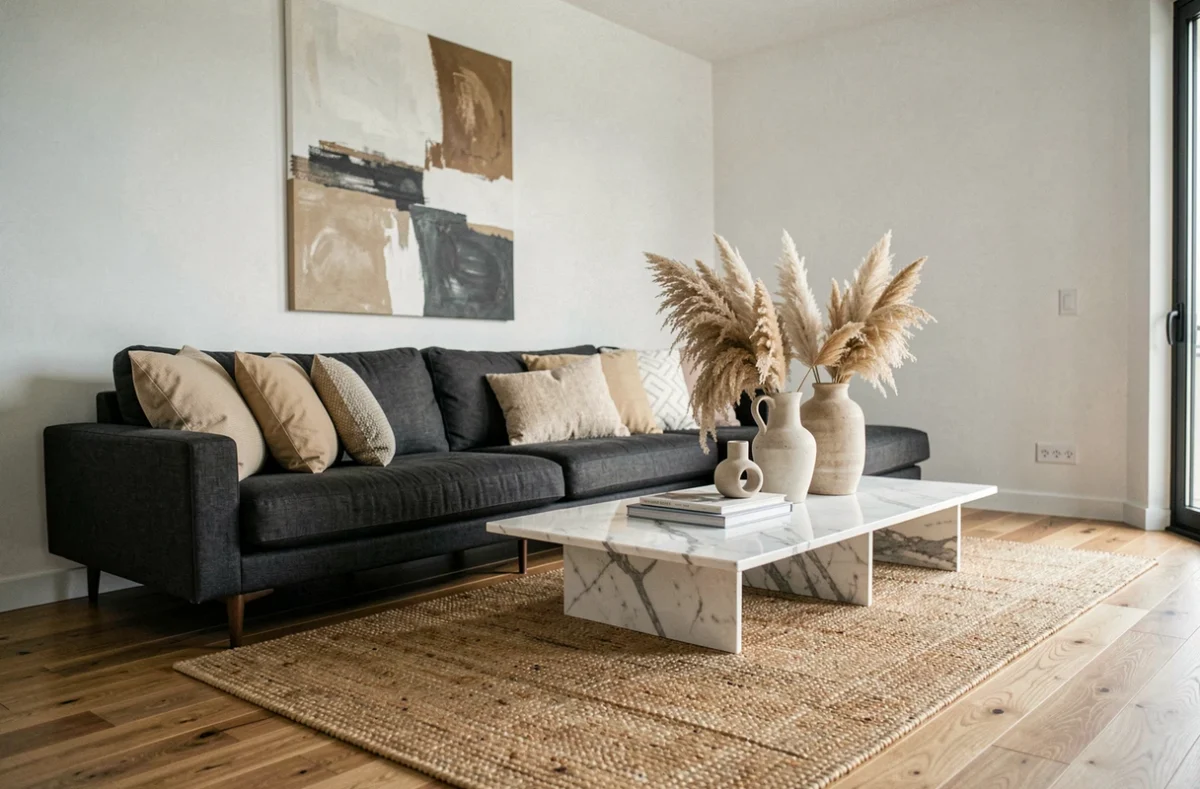
In a living room, the sofa determines everything else. Place it first, then organize the other furniture around it, leaving at least a wide passage between each area. A clear space always looks larger than a cluttered space, even if the actual surface is modest.
In the kitchen, the same principle applies. The activity triangle (sink, cooking area, refrigerator) must remain fluid. If a central island blocks this triangle, it harms daily comfort, regardless of its aesthetics.
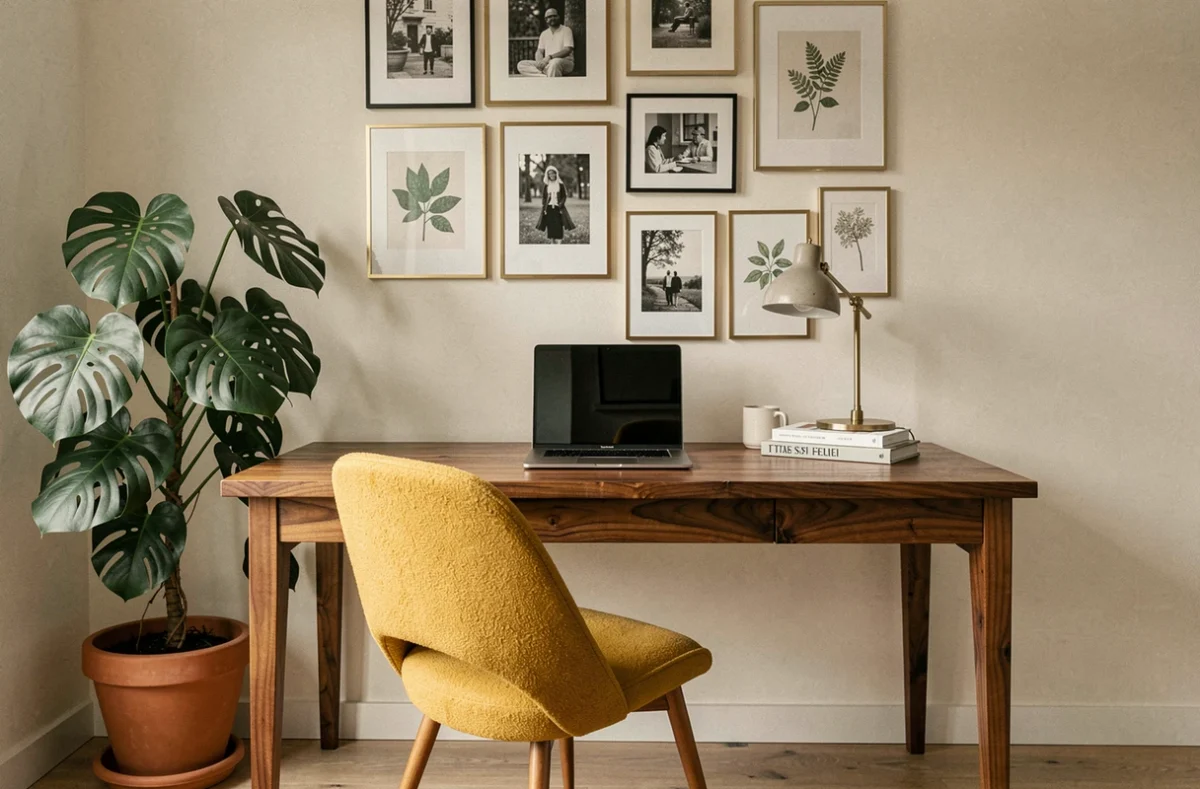
Making your home modern and comfortable relies less on the accumulation of trends and more on a few well-placed decisions. Thoughtful solar protections, materials that work for thermal comfort, a controlled color palette, and a layout centered on circulation: these four axes are enough to transform an interior without overloading it.