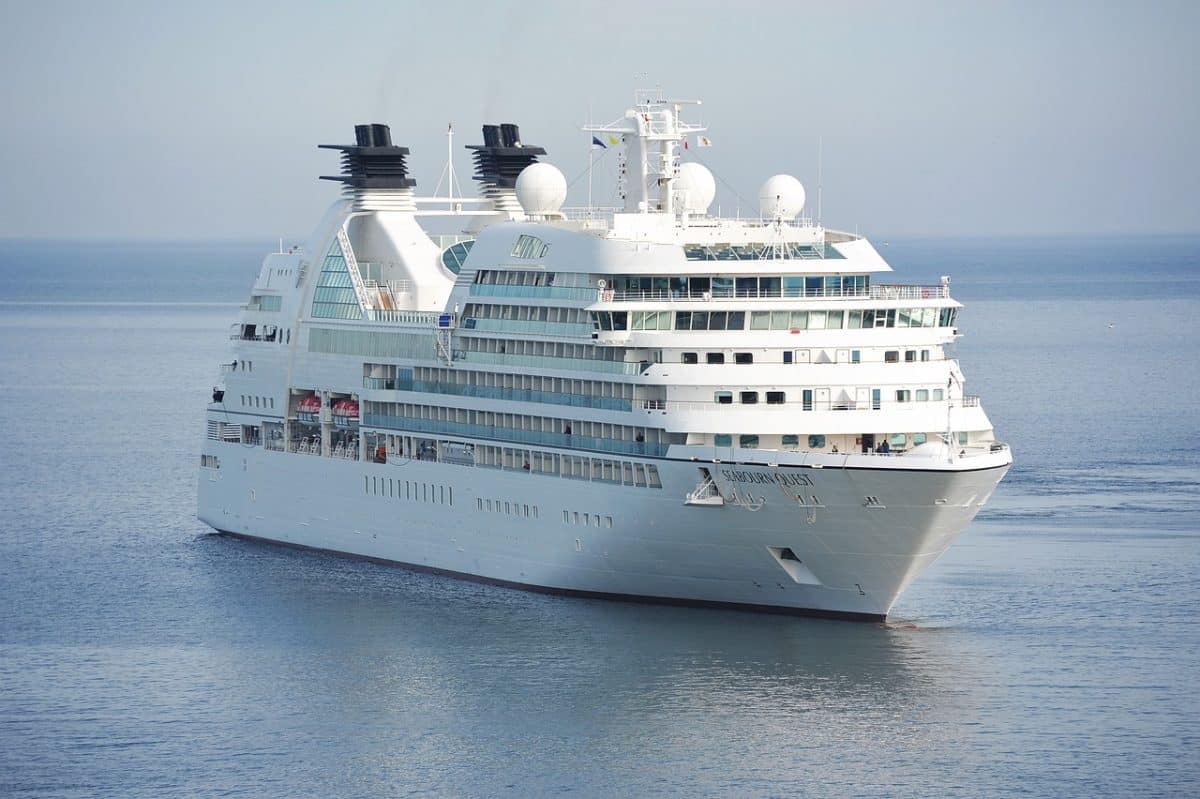
The word cruise often evokes images of majestic ships sailing on endless seas, exotic stops, and endless adventures. But this term hides much richer and varied realities. For some, it is a luxury and relaxation experience; for others, it is a way to discover new horizons and cultures. What does this multifaceted word really encompass?
Definition of the word cruise
The word cruise derives from the Latin cruciare which means to cross. Historically, it referred to a long and perilous maritime expedition. Today, a cruise is defined as a journey taken by boat, generally on a pleasure ship. It can last from a few days to several weeks and often includes various stops at different ports.
- A cruise is a sea journey aboard a pleasure ship.
- It can last from a few days to several weeks.
- The journey often includes stops at several ports.
The different types of cruises
The world of cruises is vast and diverse. Each type of cruise offers a unique experience.
- Luxury cruise: The ships are equipped with sumptuous suites, gourmet restaurants, spas, and personalized services.
- Expedition cruise: Designed for adventurers, it explores remote regions such as Antarctica or the Amazon.
- River cruise: It navigates rivers, allowing the discovery of cities and inland landscapes.
- Thematic cruise: Focused on a specific theme, such as music, cuisine, or sports.
Popular destinations
Cruises allow exploration of regions of the world that are otherwise inaccessible. Some destinations stand out for their popularity among cruisers.
The Mediterranean is a sought-after region with stops in Barcelona, Rome, and Athens. The Caribbean is famous for its white sandy beaches and turquoise waters. Alaska offers breathtaking landscapes of glaciers and fjords. Southeast Asia features exotic stops in Singapore, Bangkok, and Ho Chi Minh City.
- The Mediterranean: Barcelona, Rome, Athens.
- The Caribbean: White sandy beaches, turquoise waters.
- Alaska: Glaciers, fjords.
- Southeast Asia: Singapore, Bangkok, Ho Chi Minh City.
The advantages and disadvantages
Now let’s look at the strengths and potential constraints of a cruise.
The advantages are numerous. A cruise offers an all-in-one experience where transportation, accommodation, dining, and leisure are included. It is also a way to visit multiple destinations without having to unpack and repack at each stop. The ships are true floating complexes offering a range of services and entertainment for all ages.
There are some disadvantages. The stops can be short, leaving little time to explore each destination in depth. The cost can also be high, especially for luxury cruises or departures during peak season. Finally, some people may be prone to seasickness, which can spoil their experience.
The major players in the industry
The cruise market is dominated by a few well-known companies. These businesses operate an impressive fleet of ships and offer varied itineraries.
Costa Cruises, a well-known company, offers unforgettable journeys that combine comfort and discovery. You can learn more about costa cruises and its attractive offers. Royal Caribbean and MSC Cruises are also major players, as well as Norwegian Cruise Line.
- Costa Cruises
- Royal Caribbean
- MSC Cruises
- Norwegian Cruise Line
Going on a cruise guarantees a unique adventure while enjoying high-end services. Whether to explore distant territories or to relax in a luxurious setting, the cruise offers a multitude of possibilities. It remains an unforgettable experience for all those who wish to discover the world from a different perspective.