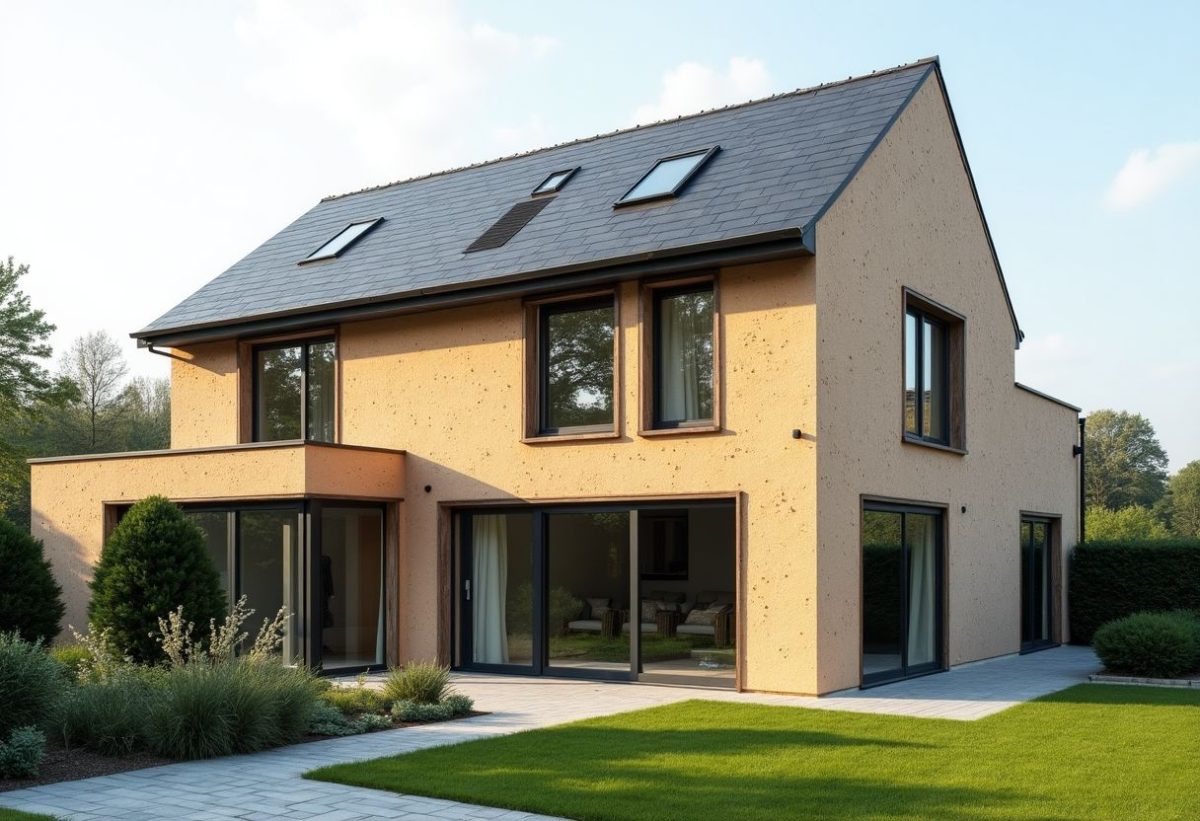
In the face of current energy challenges and the need to reduce greenhouse gas emissions, the energy efficiency of buildings has become a priority. Renovating your home to make it more energy-efficient is now imperative. Among the favored solutions, external insulation stands out for its numerous advantages. It promises not only to improve the thermal comfort of your home but also to achieve substantial savings on your energy bills.
Let’s explore together how this method represents an interesting solution for those looking to invest in sustainable renovation.
The advantages of external insulation
Behind this renovation approach lie many benefits that deserve to be explored to understand its growing success.
- Improvement of thermal comfort: By eliminating thermal bridges, this method ensures a stable indoor temperature, pleasant in both summer and winter.
- Energy savings: With reduced heat loss, heating needs decrease, resulting in a significant drop in energy bills.
- Enhancement of the property: In addition to improving energy efficiency, it enhances the exterior aesthetics of the house, thereby increasing its value on the real estate market.
- Preservation of indoor space: Unlike interior insulation, no living space is sacrificed, allowing the integrity of living areas to be maintained.
The materials used for external insulation
The choice of materials is essential to ensure the effectiveness of the insulation. Various options are available, each with its own characteristics and advantages.
Expanded polystyrene (EPS) is among the most commonly used materials. Its lightweight, ease of installation, and competitive cost make it a popular option.
Additionally, rock wool panels, valued for their excellent thermal insulation coefficient and fire resistance, represent a sustainable and high-performing alternative.
Other materials like polyurethane offer superior insulating power, although they are often more expensive.
Finally, for those seeking an eco-friendly option, bio-based materials like cork or wood fiber prove interesting, as they combine thermal performance with environmental respect.
The steps to follow for successful external insulation
Achieving effective insulation requires following certain key steps to ensure an optimal and durable result.
- Initial assessment: First and foremost, it is crucial to conduct a thermal diagnosis of the house to identify the areas most prone to heat loss.
- Choice of materials: Select the appropriate material based on thermal needs, budget, and architectural constraints.
- Surface preparation: The facade must be carefully prepared to ensure perfect adhesion of the insulating coating.
- Installation of the insulation: The application of the insulating panels must be done meticulously to avoid thermal bridges.
- Finishing: Once the insulation is installed, the facade is covered with a coating or cladding to protect and beautify it.
The ecological stakes of external insulation
In a context where reducing carbon footprint is crucial, external insulation is positioned as an environmentally friendly approach.
By limiting heating needs, it directly contributes to the reduction of CO2 emissions. Beyond energy savings, this method also allows for the use of eco-friendly materials, thus reinforcing the commitment to sustainable construction. The environmental impact is reduced through the use of recyclable or renewable materials, perfectly integrating this technique into a sustainable development approach.
Finally, external insulation contributes to improving the quality of life by enhancing acoustic insulation, which is beneficial for the well-being of the occupants.